‘Being shot is not normal’: How Next Step works to support survivors
July 8, 2026
Kentral Galloway has years of experience meeting people in moments of life most of us hope we never face.
“Being shot is not normal,” Galloway said of one of those moments. “But what we do, the response we give, is the human response to help people heal.”
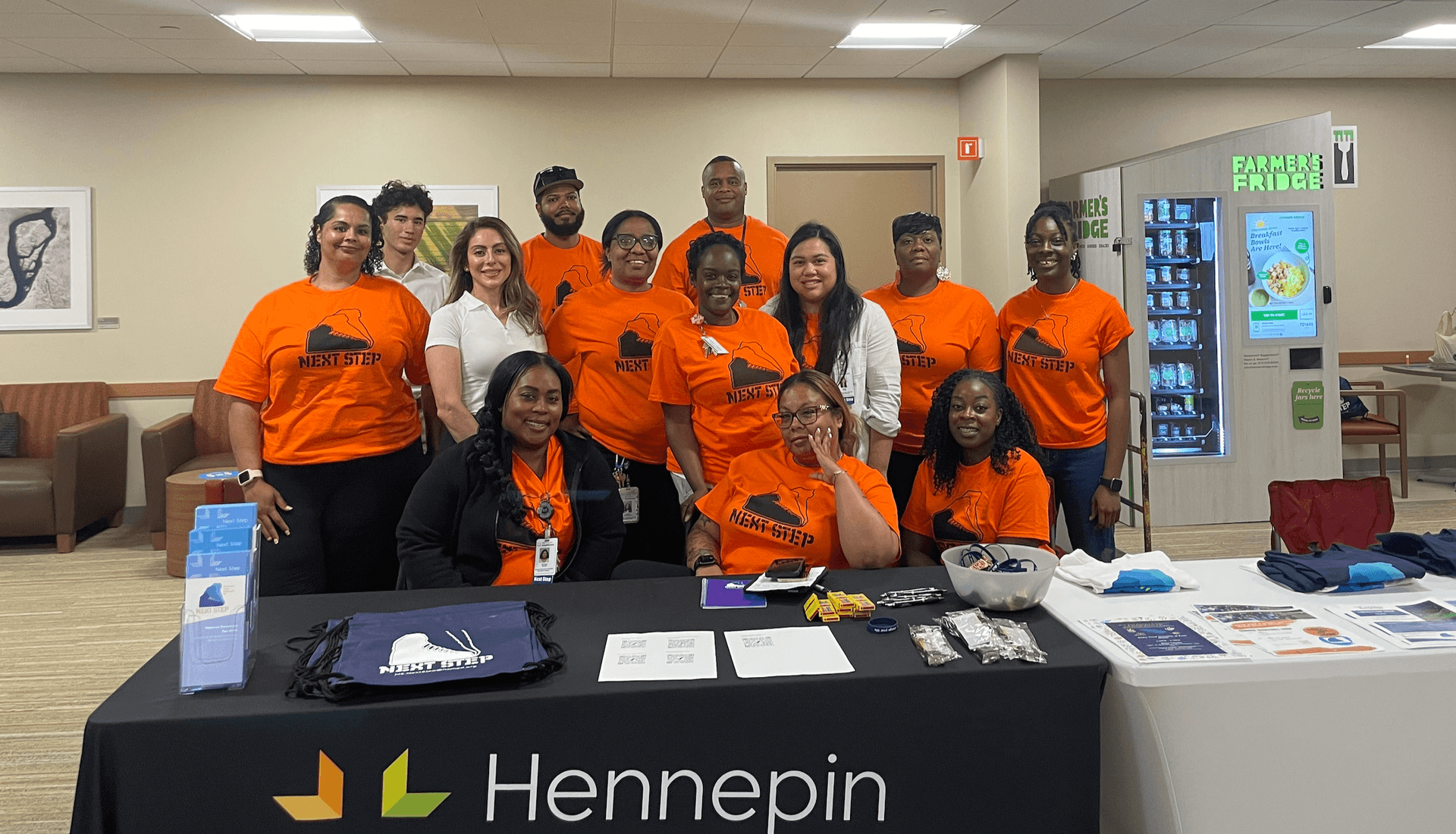
That grounding premise helps guide Next Step, a program built to support survivors of gun and community violence, where Galloway is executive director. The program is there for survivors when they enter the hospital and through the long, difficult process of regaining normality in their lives. When Next Step began in 2016, its focus was on youth, but as more adults were survivors of violence, the team expanded its focus to serve adults as well.
A key partner in Next Step’s work is our Office of Justice Programs. OJP is one of Next Step’s primary funding sources, providing resources to offer gun locks and educational materials to the communities they serve, as well as strengthening both immediate and long-term assistance.
“OJP has long recognized the need for resources and support for victims of gun violence. Our competitive grant program has awarded funding for Next Step numerous times over the years. The program’s positive impact in survivors’ lives has been impressive,” said Cecilia Miller, director of the crime victim service grant program.
Whenever someone arrives in the Hennepin Healthcare system after being shot, stabbed or physically assaulted, the team is immediately activated.
“We meet with survivors and families in the stabilization room once the trauma team has cleared the way,” Galloway added. This immediate connection provides the family with a point of contact — someone to listen, to understand — and a calming presence providing reliable information in an often-hectic situation.
Next Step takes care of details to help the survivor and family that would not be addressed otherwise. Law enforcement often takes clothing, IDs, keys and other personal items as evidence. Next Step helps restore dignity and normalcy by providing financial support to help replace some necessities and provide resources on how to access others.
“We buy those items so they can leave the hospital feeling humanized instead of dehumanized,” Galloway said. The care does not stop once they walk out of the hospital. Sometimes a house could have been damaged by gunfire and is not safe to return to, so Next Step will help find safe, temporary housing for the survivor and their family.
The team also helps survivors sign up for the crime victim reimbursement program facilitated by OJP. “The program helps reduce the economic impact on victims and provide them with space and time to cope with their victimization and start the healing process,” said Gina Washington, director of the program.
Next Step is completely voluntary. Some survivors have had negative experiences in medical settings, causing them to decline help, sometimes repeatedly. Galloway never sees that as a failure.
“If someone comes in seven times and says no every time, and they decide to accept on the eighth time, that’s a win and we are happy to help them,” he said.
Many staff members from Next Step live in the communities they serve. And some are survivors themselves, which helps build credibility where and when it matters most.
The Hennepin Healthcare system reinjury rate (how often people come back with similar injuries) was once nearly 36 percent. Today, it is down to 4 percent. Next Step measures impact and success in other, more personal ways as well. The young man who was the first in his family to graduate high school, the young mother who advocates for other families and the text messages that say, “If it weren’t for you, I wouldn’t be here.”
Looking ahead, Galloway hopes for continued support, stronger policies that keep communities safe and more resources to meet growing needs, especially in schools. “That is where we have seen the need increase the most. Schools are a space where we can make a greater impact, to hopefully lower the rate of gun violence and community violence,” Galloway said.
Impact is important in the work Next Step does. “We help people in the worst moments of their life. Whatever they say they need to start healing, that’s what we’re going to work on for them,” stated Galloway.
Tony Benson
Communications specialist
Office of Justice Programs